


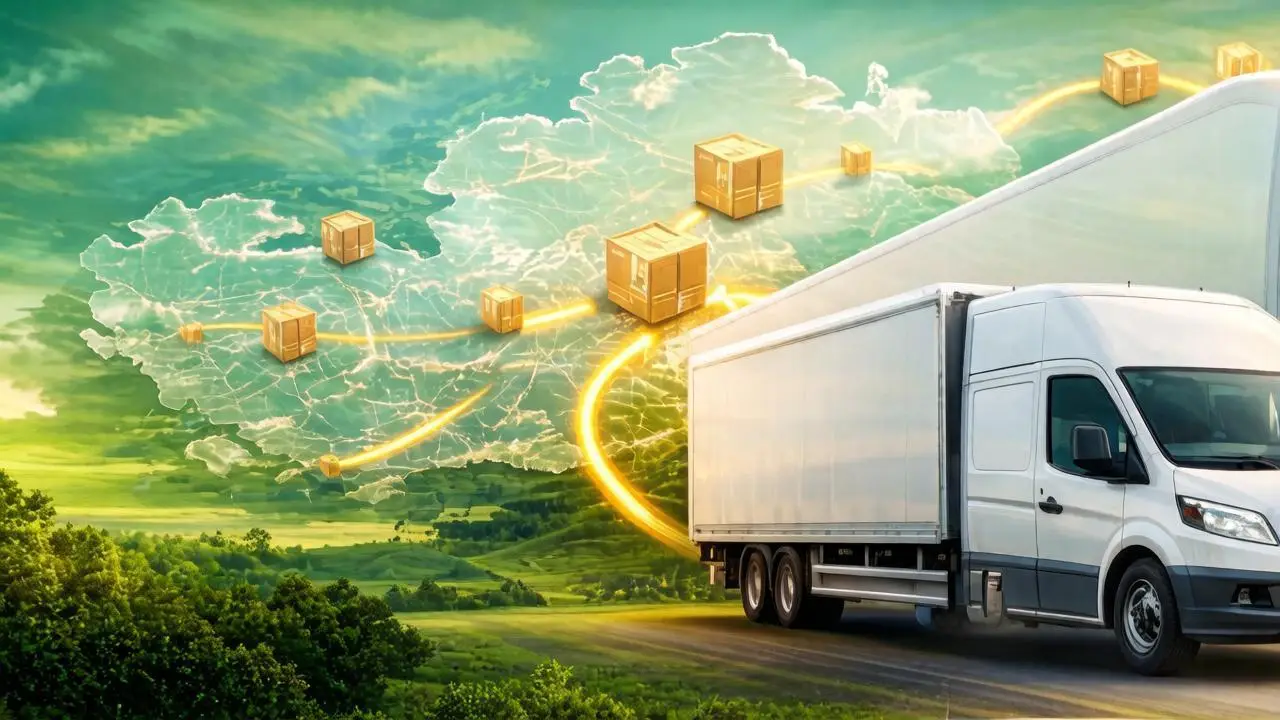

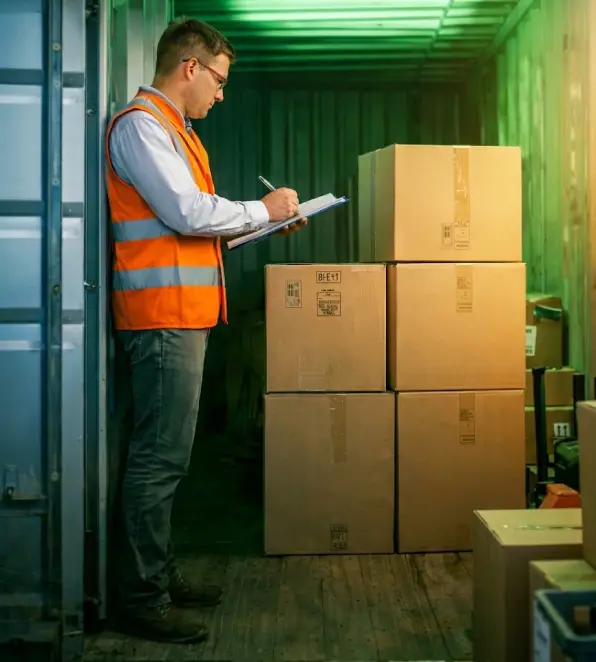

Freight between Kazakhstan and Russia runs in both directions with LTL and dedicated trucks: from Almaty and other cities of Kazakhstan to Russian regions and back. Cargo is collected from the shipper, accompanying documents are prepared, the batch clears the border and is delivered to the consignee’s warehouse or address. Shipments from a single pallet to a full truckload are accepted, including oversized pieces. Cargo is insured along the whole route and the status is tracked by waybill number.
Key facts
- Transportation between Kazakhstan and Russia in both directions.
- LTL shipments for smaller batches and dedicated trucks for full loads.
- Support with documentation and customs procedures.
- Pickup at the shipper address and delivery to the consignee warehouse.
- Oversized pieces accepted with a matched vehicle.
- Cargo insurance and tracking by waybill number.
How transportation on this route is organized
Pickup and consolidation. Cargo is collected from the shipper or received at the Almaty warehouse. Small batches are consolidated and leave on one truck, which lowers the delivery cost for each shipper.
Document preparation. The set is assembled before the vehicle is dispatched; its composition depends on the nature of the goods and the requirements of the receiving party. Checking is done in advance, because discrepancies in documents hold up the entire truck.
Clearing the border. The shipment goes through procedures at the agreed crossing. Time depends on the completeness of the documents, the nature of the goods and the load at the crossing in that period.
Delivery to the consignee. After the border the cargo is delivered to the consignee’s warehouse or address in Russia. In the return direction the arrangement is identical: pickup in Russia and delivery to an address in Kazakhstan.
Shipping formats and vehicle types
The choice of format depends on batch size, the nature of the goods and the acceptable timeline. An LTL truck saves budget, a dedicated vehicle avoids transshipment. The main options are set out below.
| Format | What it includes | When it is chosen |
|---|---|---|
| LTL shipment | Consolidation of batches, payment for the space occupied | From a pallet to half a truck |
| Dedicated truck | Direct run without intermediate unloading | Full load, fragile or high value goods |
| Regular departures | Shipments on an agreed schedule | Steady deliveries on one route |
| Oversized transportation | Vehicle selection and route approval | Equipment and large pieces |
| Return load | Pickup in Russia and delivery to Kazakhstan | Imports and returning packaging |
LTL works well for regular small deliveries, but the batch waits for the truck to fill, so timing does not depend on the road alone. A dedicated vehicle costs more and runs direct, which suits cargo that cannot be transshipped. Return loads are often economical for companies that already ship in one direction: the truck does not travel empty.
What affects delivery time
Several factors matter before choosing a format. On an international route the timeline is made up of document preparation, batch consolidation, transit and clearing the border.
| Parameter | How it affects the shipment | What to prepare in advance |
|---|---|---|
| Document set | Determines how quickly the border is cleared | Documents for the goods and details of both parties |
| Nature of the goods | Sets procedures and packaging requirements | Precise description and purpose of the goods |
| Shipping format | LTL waits for consolidation, a truck leaves at once | Batch volume and acceptable date |
| Load at the crossing | Queues at the border change the timeline | A time buffer during peak periods |
| Consignee address | Affects the leg after the border | Consignee warehouse and receiving hours |
Most delays on the Russian route come from documents: a mismatch in the goods description across papers, missing details or imprecise weight data trigger additional checks. The second cause is a queue at the crossing during peak periods, which cannot be accelerated but can be built into the delivery plan.
What cargo moves between the countries
Trade goods. Batches in boxes and on pallets for wholesale and retail companies on both sides of the border.
Equipment and spare parts. Industrial assemblies, components and tools, including heavy and oversized pieces.
Raw materials and materials. Bulk batches where a dedicated vehicle is most often used.
Return shipments. Packaging, equipment for repair and goods under claims moving in the opposite direction.
What to prepare before shipping
Collect the documents. The basic set is prepared before the vehicle is dispatched, and the list is agreed with a manager based on the nature of the goods.
Describe the goods precisely. Name, purpose and quantity must match across all documents, otherwise additional checks follow at the border.
Prepare the packaging. An international route involves more transshipment, so palletizing and rigid packaging are used more often.
Agree on receiving. The working hours of the consignee’s warehouse and unloading capability affect the leg after the border.
- Clarify who acts as declarant for the transaction.
- Prepare complete details for the shipper and the consignee.
- Decide on the format: LTL shipment or dedicated truck.
- Allow a time buffer during periods of heavy load at the crossing.
- Report goods with special transport requirements.
What determines shipping terms
Route and region. Delivery to border regions and to remote parts of Russia differ in the route and the final leg.
Volume and weight of the batch. The calculation uses the greater of the two; for a dedicated truck the vehicle type applies.
Scope of documentation work. Support with documents and customs procedures is quoted separately from transportation.
Additional work. Consolidation, packing, palletizing and storage before dispatch are added to the base terms. Final terms are set once the parameters are confirmed.
How a shipment is arranged
1. Shipment parameters
Route, goods description, batch volume and the details of both parties are provided. The format is determined: LTL shipment or dedicated truck.
2. Document preparation
The set is assembled and checked before the vehicle is dispatched. Discrepancies are resolved in advance so the truck does not stand at the crossing.
3. Pickup and dispatch
Cargo is collected from the shipper or received at the warehouse, consolidated with other batches where needed and dispatched on a run.
4. Border and delivery
The shipment clears customs procedures and is delivered to the consignee’s warehouse. The status is available by waybill number along the whole route.
Why return loads matter on this route
Empty mileage is paid for either way. A truck returning without cargo still costs money, and that cost is built into the rate. When a return load is arranged, the run is split between two shipments and the price for each drops.
Who benefits most. Companies that already ship in one direction gain the most: the outbound shipment and the return load are booked together, and the schedule becomes predictable in both directions.
What to plan. A return load requires the dates in both directions to align, so it is agreed when the outbound shipment is booked rather than after the truck has already departed.
Why companies choose this arrangement
One provider for the chain. Pickup, consolidation, documentation and delivery after the border run under one contract.
Documents checked before departure. The set is reconciled in advance, which reduces the risk of the vehicle standing at the border.
Departures in both directions. Shipping and return loads are arranged together, so the truck does not run empty.
Link to domestic logistics. After import, cargo can be placed at the Almaty warehouse and distributed across the regions of Kazakhstan.
Key advantages
- Transportation between Kazakhstan and Russia in both directions.
- LTL shipments from a pallet and dedicated trucks.
- Support with documents and customs procedures.
- Consolidation of batches before dispatch.
- Delivery to the consignee warehouse or address.
- Cargo insurance and tracking by waybill number.
Frequently asked questions
Can a small batch be sent to Russia
Yes, small volumes use the LTL format: the batch travels together with other clients’ cargo and payment is based on the space actually occupied. If shipments are regular and small, consolidation with accumulation at the warehouse is used, after which the goods leave on one truck.
What documents are required for shipping
The basic set includes documents for the goods, details of the shipper and consignee, and information on the nature and quantity of the cargo. The exact list depends on the goods and the requirements of the receiving party and is agreed before the vehicle is dispatched. The set is checked in advance, because discrepancies hold the truck at the crossing.
Do you work in the return direction
Yes, cargo is collected in Russia and delivered to Kazakhstan under the same arrangement: document preparation, clearing the border and delivery to the consignee’s address. Return loads are most often used by companies that already ship in one direction, because this avoids running the truck empty.
What affects the border crossing
Speed depends on the completeness and accuracy of the documents, the nature of the goods and the load at the crossing in that period. Discrepancies in the goods description or weight data trigger additional checks. During peak periods queues can form, which is worth including in the delivery plan in advance.
Do you deliver to the consignee warehouse
Yes, after clearing the border the cargo is delivered to the consignee’s warehouse or address. The feasibility of delivery to a specific address is confirmed when the route is agreed: receiving hours, vehicle access and unloading requirements are taken into account.
Is cargo insured on international routes
Yes, shipments are insured along the whole route, including the section outside Kazakhstan. Terms depend on the nature and value of the goods and are agreed when the request is placed. Fragile items additionally require rigid packaging and palletizing.
Arranging a shipment to Russia
For a quote, provide the route, the description and volume of the goods and the details of both parties. Other routes are collected in international freight, the neighboring direction is described in Kazakhstan to Uzbekistan freight, and accumulating small batches is covered in cargo consolidation.
 Available 24/7